
National Pool Lifeguard Qualification (NPLQ)
The RLSS course is the gold standard in poolside safety. Become a qualified lifeguard and make every swim safe.


What you can expect from the RLSS National Pool Lifeguard (NPLQ).
Whether you're looking to launch a career in the leisure industry or develop vital lifesaving skills, the National Pool Lifeguard Qualification equips you with everything you need to keep swimmers safe. Delivered by qualified trainers, the course covers essential rescue techniques, CPR, first aid, and poolside procedures—preparing you for a role that's both rewarding and respected.
To enrol on an NPLQ lifeguard course, every candidate must be at least 16 years old by the time of the final assessment and must also be able to:

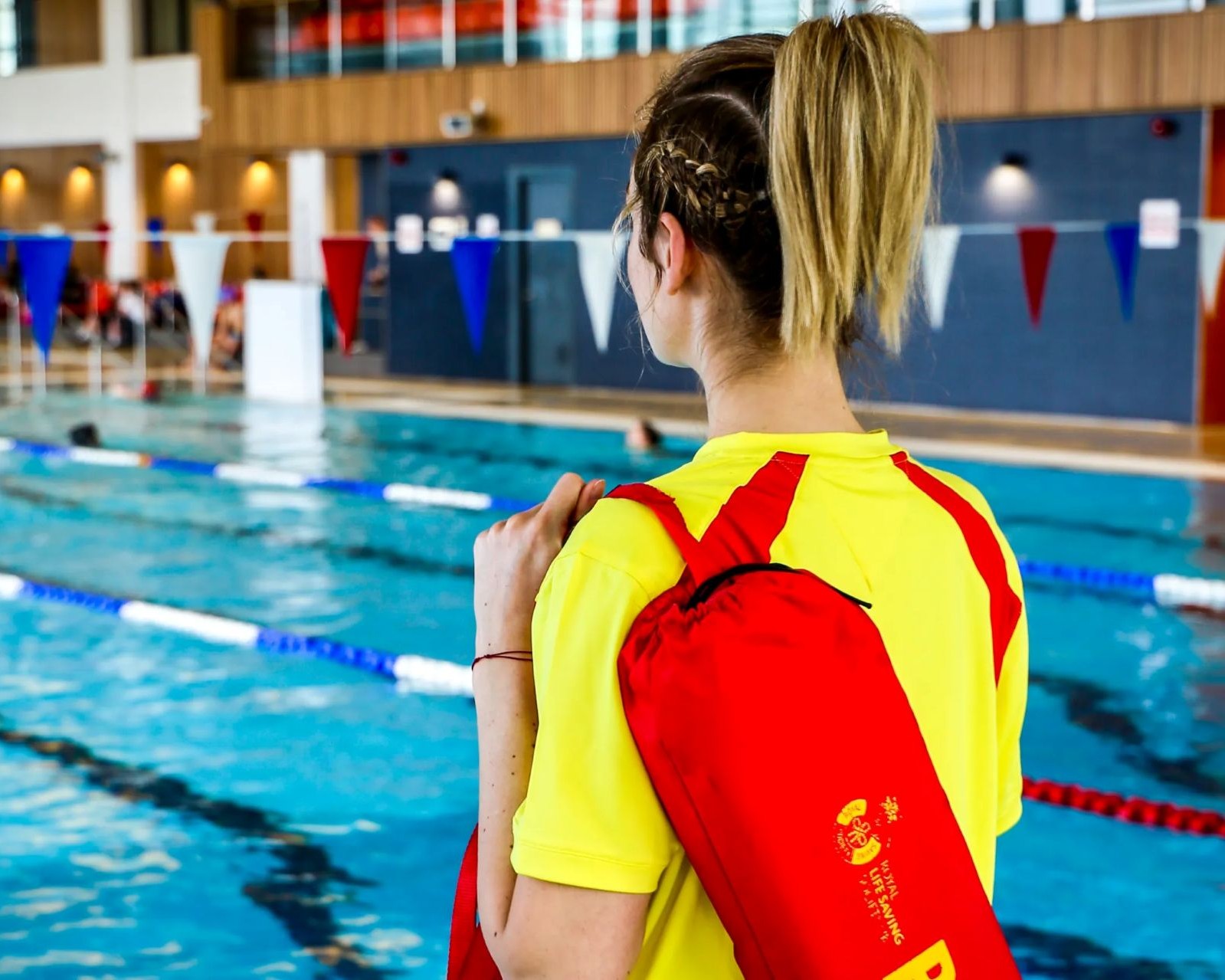
Upcoming Courses
Locations and dates for upcoming National Pool Lifegaurd Qualifications
National Pool Lifeguard Qualification
Whether you're looking to launch a career in the leisure industry or develop vital lifesaving skills, the National Pool Lifeguard Qualification equips you...


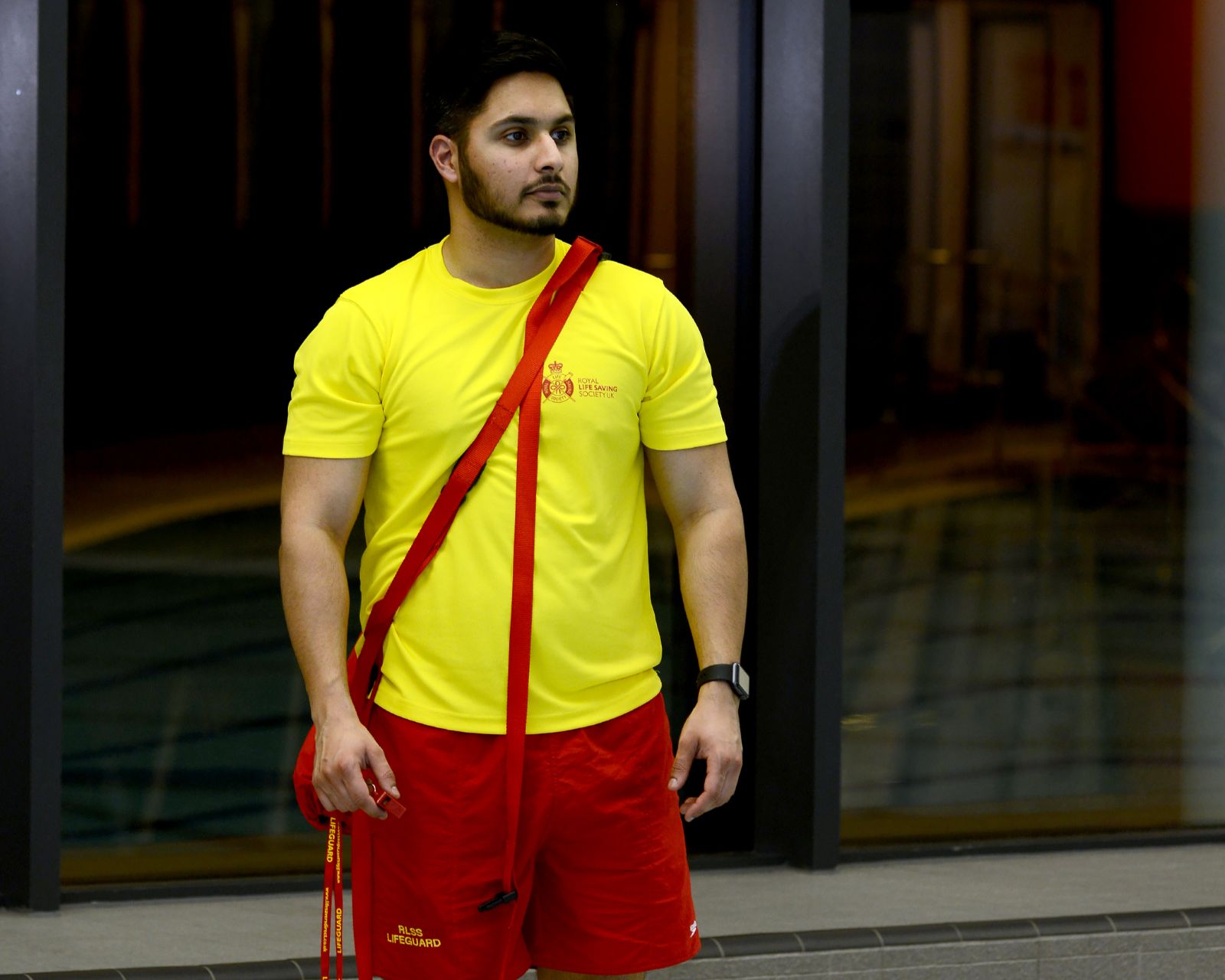
Industry Leading & Internationally recognised
The National Pool Lifeguard Qualification (NPLQ) by the Royal Life Saving Society (RLSS) is the leading lifeguard certification in the UK and Ireland, and is widely recognised as the standard qualification for lifeguard roles within the swimming and leisure industry.
More than 40,000 lifeguards qualify with the RLSS UK every year, and there are currently more than 75,000 NPLQ-qualified lifeguards across the UK and Ireland.
The NPLQ is also internationally recognised. Our national lifeguard qualification has endorsement against the CIMSPA Lifeguard Standard and meets the requirements within the Health and Safety Executive’s Managing Health and Safety in Swimming Pools (HSG179).
Course Purpose
The NPLQ provides comprehensive national pool lifeguard training in Pool Rescue Techniques, Lifeguarding Theory, First Aid, and CPR. This is a physically demanding national pool lifeguard course that involves timed swims, deep-water dives, and casualty rescues, including lifting and towing.
National pool lifeguard training is structured into three key sections, each with its own assessment - candidates must pass all parts to achieve full qualification.
What you'll cover

Assessment
Assessment for the NPLQ lifeguard qualification is held at the end of the course and is available to candidates who have demonstrated competence throughout the national pool lifeguard training. It evaluates your understanding of lifeguarding principles and your ability to apply practical skills effectively in realistic, work-based scenarios.
Assessment for the national pool lifeguard course is composed of three sections:
Progression & Next Steps
The National Pool Lifeguard Qualification (NPLQ) is a fantastic first step into the leisure industry, offering real opportunities for career progression—many leisure managers begin as pool lifeguards. With varied working hours and the chance to work as part of a close-knit team, it’s an ideal role for those seeking flexibility and practical experience.
Recognised worldwide, the RLSS NPLQ courses can also open doors to work and travel abroad. It’s a popular choice for students looking to fund their studies, while also gaining vital life skills such as First Aid and CPR that are useful both in and out of the workplace.

Frequently Asked Questions
If your question is not answered below, please e-mail: learn@theleisureexperts.com
Anyone aged 16 or over can enrol in RLSS lifeguard courses, provided they meet the entry criteria and are physically able to complete the training. Successful candidates will earn an NPLQ certificate, which qualifies them to work as a professional lifeguard in the UK and internationally.
Yes, a good level of swimming ability is essential. To gain the RLSS national pool lifeguard qualification certification, you must swim 50 metres in under 60 seconds and complete various timed water-based assessments. These are key components of the RLSS lifeguard qualification, ensuring you're ready for real-life rescue scenarios.
The full NPLQ qualification course runs for a minimum of 36 hours, plus assessment time. Additional time may be added for if optional qualifications are added.
You’ll receive the National Pool Lifeguard Qualification (NPLQ), valid for 2 years.
The RLSS National Pool Lifeguard Qualification (NPLQ) is widely recognised across the UK, Ireland, and beyond. It is accepted by leisure operators, local authorities, and swim schools as meeting the requirements for lifeguard provision. The RLSS NPLQ has endorsement against the CIMSPA Lifeguard Standard and meets the requirements within the Health and Safety Executive’s Managing Health and Safety in Swimming Pools (HSG179).
To attend the course, you’ll need swimwear & towel (we recommend two sets, as you may be required to enter the water twice a day), a lightweight t-shirt suitable for use in the water, a notepad and pen, and proof of age; a photo ID may also be required for your final assessment.
More qualifications
View All
TLEQ Swimming Teacher
Equiping aspiring swimming teachers to effectively plan, prepare, deliver and evaluate swimming lessons independently.
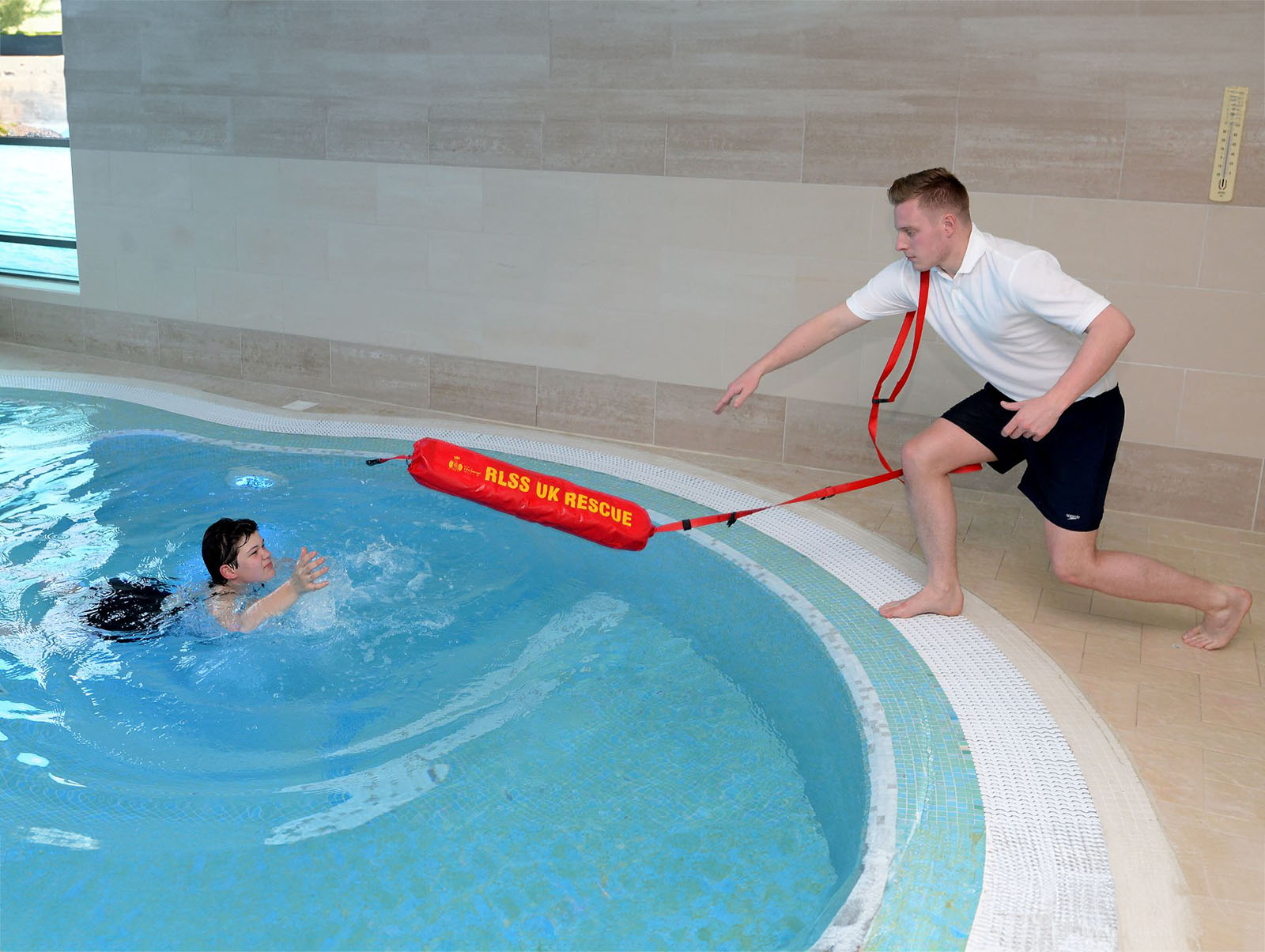
Swimming Emergency Rescue Award
Equipping swimming teachers, coaches, and poolside staff to safely perform water rescues and provide basic life support in swimming pool emergencies

National Rescue Award
Rescue qualification for swimming teachers, coaches, and instructors working during programmed activities such as swimming lessons, designed to ensure safety where water depth exceeds standing depth.

