
National Rescue Award for Swimming Teachers and Coaches (NRASTC)
An RLSS supervision and rescue qualification for swimming teachers, coaches, and instructors working during programmed activities such as swimming lessons, designed to ensure safety where water depth exceeds standing depth.


What you can expect from the National Rescue Award (NRASTC)
The National Rescue Award for Swimming Teachers and Coaches (NRASTC) equips qualified swim teachers and coaches with the essential skills to supervise sessions safely and respond effectively to pool emergencies. Designed for professionals delivering programmed swimming activities, this qualification combines theory and practical training in hazard recognition, emergency action planning, water rescue techniques, and life support, including CPR and AED use.
The course focuses on real-world teaching scenarios, giving staff the confidence to prevent incidents, perform rescues, and administer first aid—particularly in environments where a lifeguard may not always be present.
To enrol all candidates must be at least 16 years old at the time of the final assessment and must also be able to:


Upcoming Courses
Lorem ipsum dolor sit amet, consectetur adipiscing elit.
National Swimming Award for Teachers & Coaches
The National Rescue Award for Swimming Teachers and Coaches (NRASTC) equips qualified swim teachers and coaches with the essential skills...


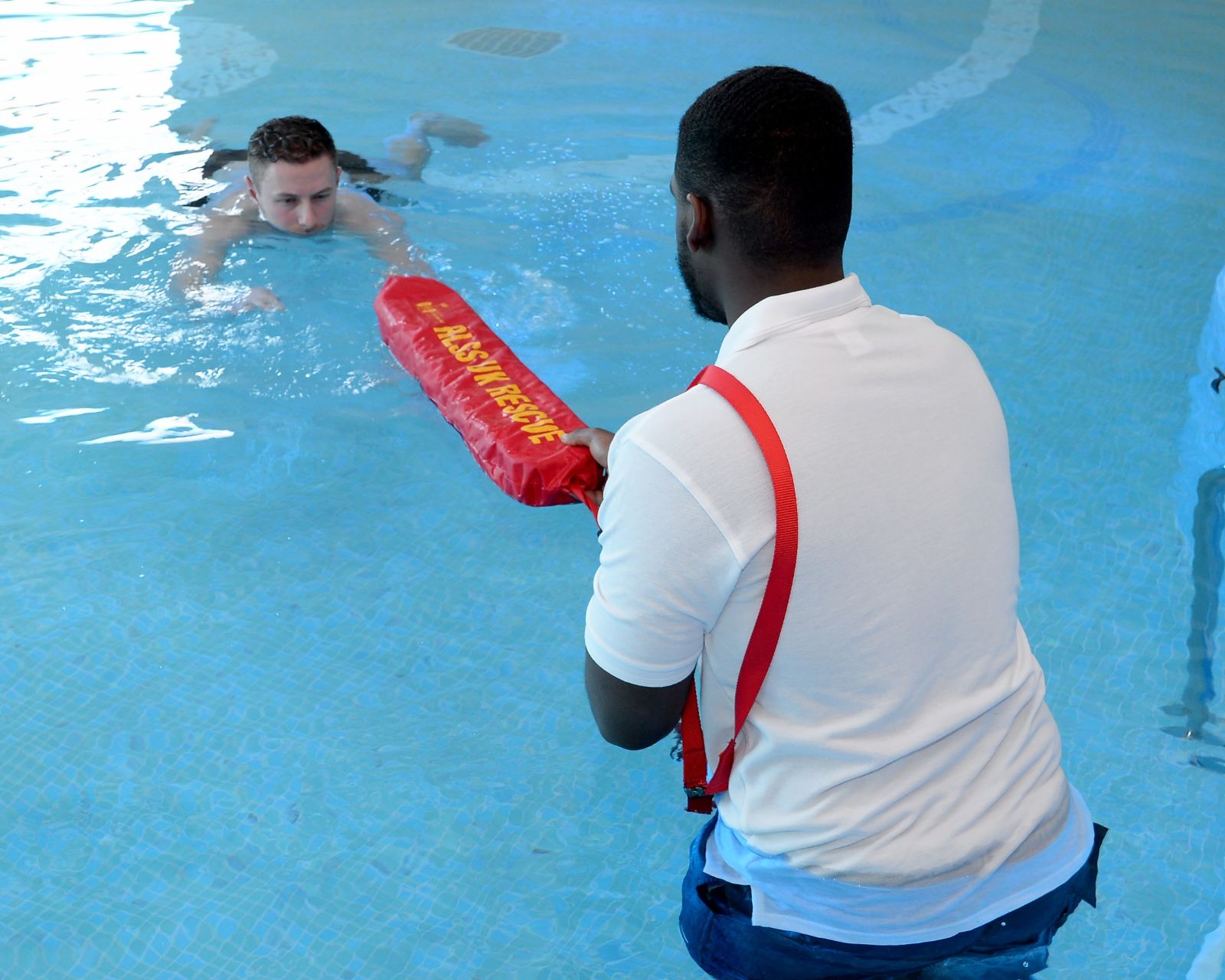
Ensure Safety & Be Ready to Respond
The NRASTC course equips swimming teachers and coaches with the skills and confidence to prevent incidents and handle emergencies during programmed swimming activities. It is specifically designed for those supervising lessons or training sessions, providing the practical rescue techniques and first aid knowledge required to keep swimmers safe. Recognised across the leisure industry, the NRASTC meets national standards and is trusted by schools, swim clubs, and local authorities.
Course Purpose
The purpose of the National Rescue Award for Swimming Teachers and Coaches (NRASTC) is to equip swimming teachers, coaches, and other poolside professionals with the vital skills and confidence needed to supervise lessons safely and respond swiftly to emergencies. The course ensures participants can identify risks, implement preventative measures, and provide effective rescue and first aid until further assistance arrives, helping create a safe and controlled swimming environment for all.
What you'll cover

Who is the course for?
This course is ideal for:
Assessment
The National Rescue Award for Swimming Teachers and Coaches (NRASTC) is assessed through both practical and theoretical evaluations to ensure candidates can confidently apply their knowledge in real-life teaching and coaching environments. The assessment is completed at the end of the course and is carried out by an RLSS UK approved assessor.
Assessment includes:


Progression & Next Steps
The National Rescue Award for Swimming Teachers and Coaches (NRASTC) is a valuable qualification for swimming teachers, coaches, and poolside staff who want to build their professional safety skills and enhance their career opportunities. It provides a strong grounding in pool supervision, rescue techniques, and first aid, making it ideal for those seeking to expand their responsibilities within swim schools, leisure centres, or educational settings.
For those looking to progress further, the NRASTC can serve as a pathway to advanced qualifications such as the National Pool Lifeguard Qualification (NPLQ) or First Aid at Work, opening doors to lifeguarding roles, aquatic management positions, and broader opportunities within the leisure industry.
Frequently Asked Questions
If your question is not answered below, please e-mail: learn@theleisureexperts.com
Entry requirements: Candidates must be 16 years of age or older on the day of assessment and be able to swim at least 50 metres on front and back. Candidates must have the ability to surface dive to the deepest part of the pool and climb out unaided without using steps or ladders if the pool design allows. No previous lifeguard or first aid qualifications are required.
The course is typically delivered over two days (approximately 12–14 hours) and combines classroom-based theory with practical poolside training. The exact duration may vary slightly depending on the venue and course provider.
Candidates must be 16 years of age or older on the day of assessment, be able to swim at least 50 metres on front and back, surface dive to the deepest part of the pool, and climb out unaided without using steps or ladders if the pool design allows. No previous lifeguard or first aid qualifications are required.
The NRASTC covers pool supervision, hazard awareness, emergency action planning, safe water rescue techniques, first aid for pool-related incidents, and basic life support (BLS) including CPR and use of an Automated External Defibrillator (AED).
Assessment is conducted by an RLSS UK approved assessor and includes a practical pool-based rescue test, basic life support demonstration, first aid scenarios, and a short theory paper to confirm understanding of pool safety and emergency procedures.
The NRASTC certificate is valid for two years from the date of assessment. To maintain certification, candidates must complete a refresher course and reassessment before the expiry date.
The NRASTC is nationally recognised and widely accepted by leisure centres, swim schools, and educational facilities across the UK as evidence of competency in pool supervision and emergency response.
Many candidates use the NRASTC as a stepping stone to higher-level qualifications such as the National Pool Lifeguard Qualification (NPLQ) or First Aid at Work, enabling progression into lifeguarding, senior teaching roles, or management positions within the leisure industry.
NRASTC helps ensure your (non-lifeguard) swimming staff are equipped to respond confidently and effectively in emergencies. It supports safer pool operations, compliments your facility’s Risk Assessment, and demonstrates a proactive approach to duty of care.
More qualifications
View All
TLEQ Swimming Teacher
Equiping aspiring swimming teachers to effectively plan, prepare, deliver and evaluate swimming lessons independently.
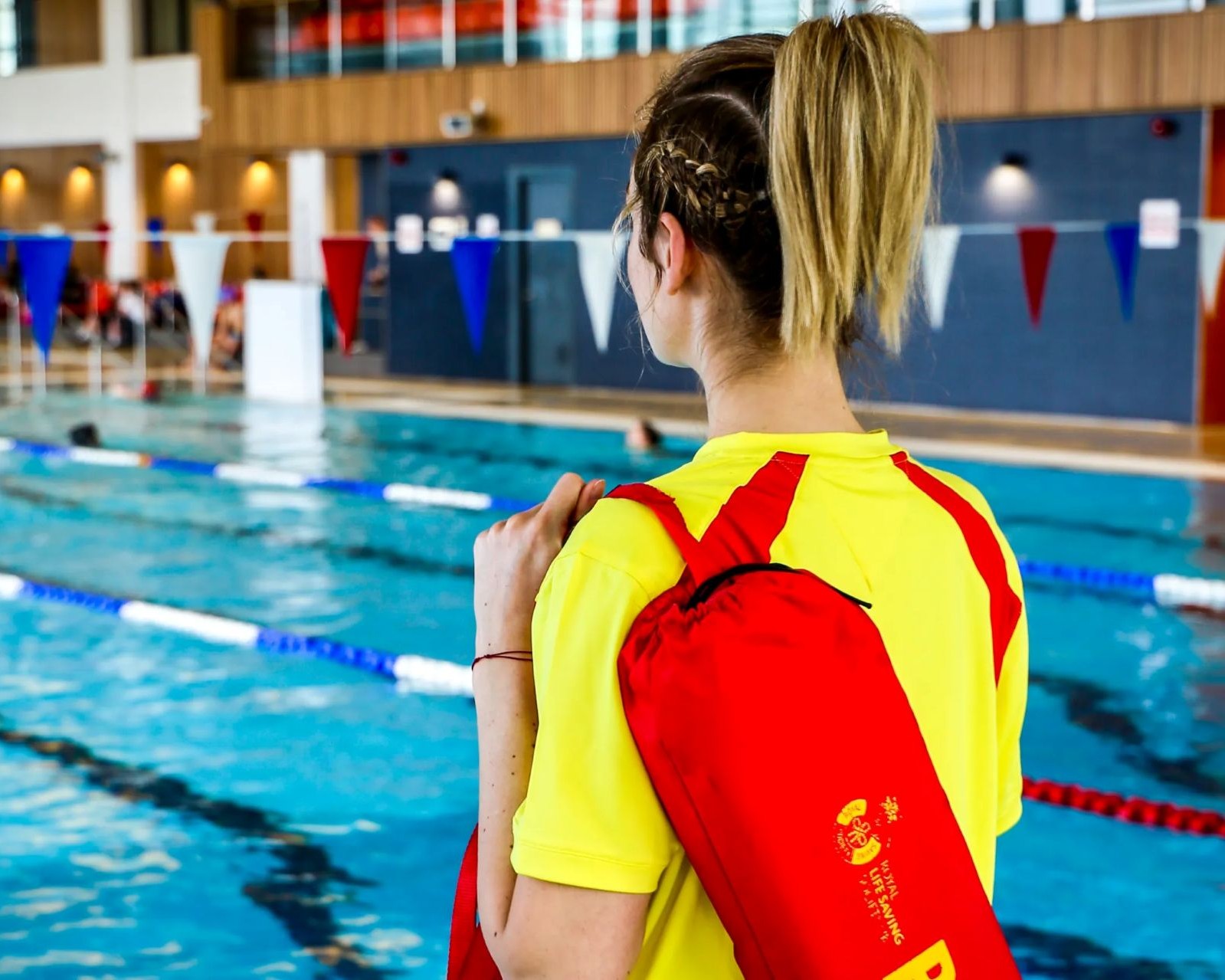
National Pool Lifeguard Qualification
The RLSS course is the gold standard in poolside safety. Become a qualified lifeguard and make every swim safe.
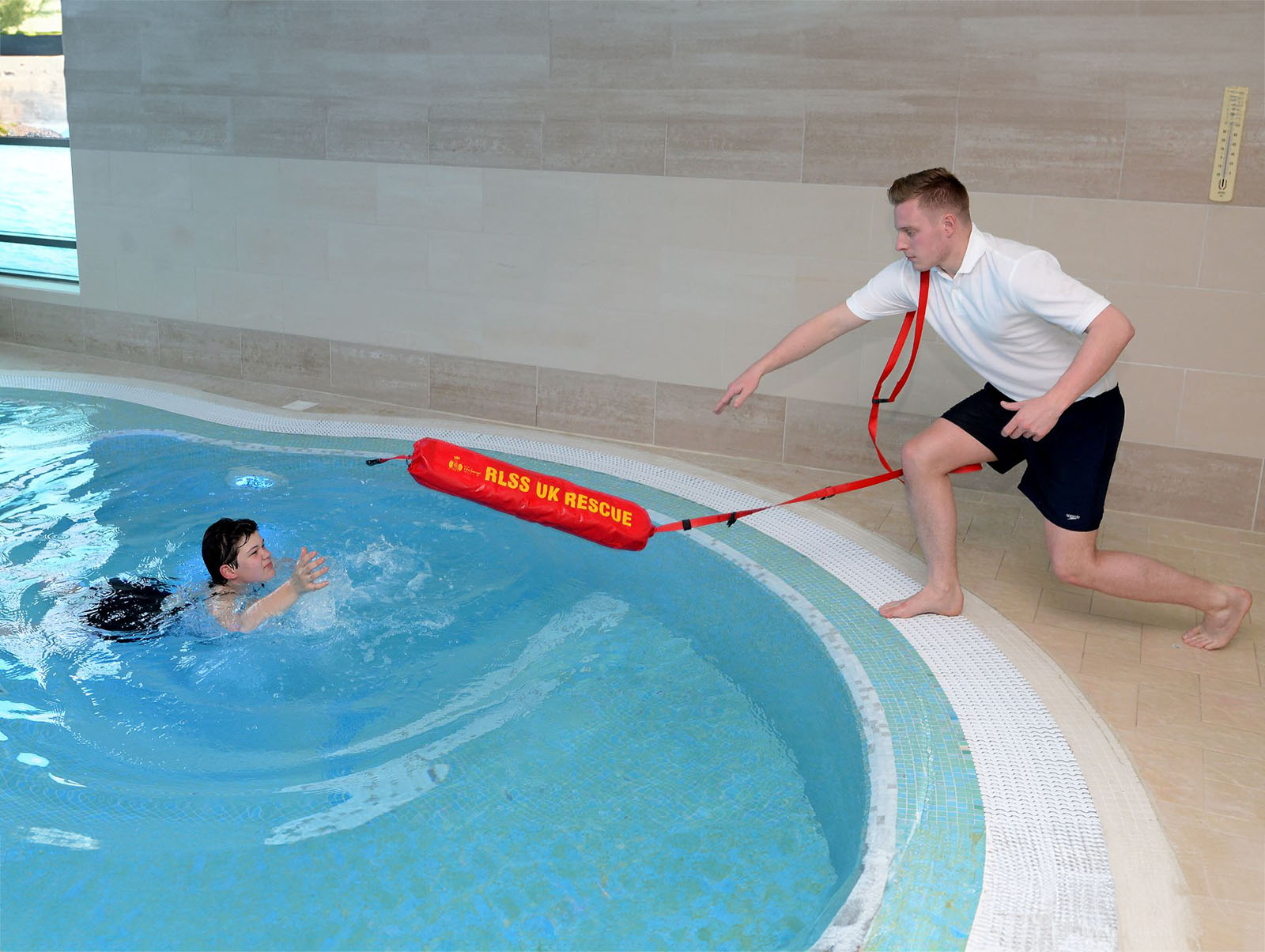
Swimming Emergency Rescue Award
Equipping swimming teachers, coaches, and poolside staff to safely perform water rescues and provide basic life support in swimming pool emergencies

